

Aluminum Profiles for Strip Lights: A Comprehensive Guide
Introduction
Aluminum profiles for strip lights are an essential component of any lighting system. They provide a strong, durable platform for mounting LED strips, which can be used for both residential and commercial purposes. They also provide improved efficiency and better heat dissipation, making them a great choice for many applications.
Benefits of Using Aluminum Profiles for Strip Lights
Aluminum profiles for strip lights offer many benefits over traditional lighting systems. Here are some of the key advantages:
Increased Durability
Aluminum profiles for strip lights are much more durable than traditional lighting systems. They are made from a lightweight yet strong material that is resistant to corrosion and rust. This means they can withstand harsh weather conditions and still look great for years to come.
Improved Efficiency
Aluminum profiles for strip lights are designed to be highly efficient. This means they use less electricity than other lighting systems, helping to reduce your energy bills. They also produce less heat, so they won’t add unnecessary heat to the room.
Better Heat Dissipation
Aluminum profiles for strip lights are designed to dissipate heat quickly and efficiently. This helps to keep your lighting system cool and prevent it from overheating. It also helps to extend the life of your LED strips.
How to Install Aluminum Profiles for Strip Lights
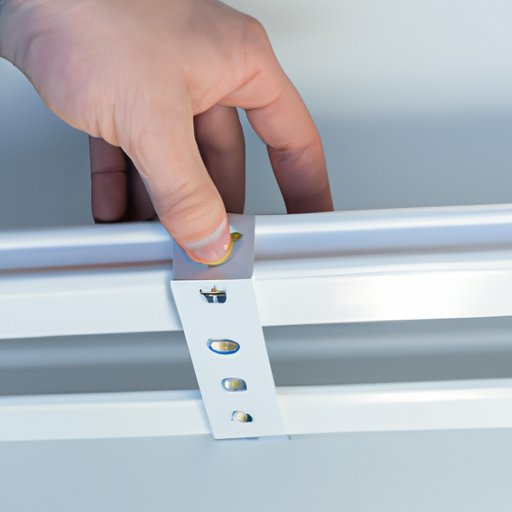
Installing aluminum profiles for strip lights is relatively straightforward. Here are the steps you need to take:
Step-by-Step Instructions
1. Measure the area you want to install the aluminum profiles in, and mark out where each profile should go.
2. Cut the aluminum profiles to the required length, using a hacksaw or similar tool.
3. Attach the profiles to the wall or ceiling, using screws or adhesive.
4. Connect the LED strips to the profiles, using the appropriate connectors.
5. Plug in the power supply and switch on the lights.
Common Mistakes to Avoid
When installing aluminum profiles for strip lights, there are a few common mistakes to avoid:
1. Not measuring the area accurately – make sure you measure twice to ensure you have the correct measurements.
2. Not cutting the profiles to the correct length – this can cause problems with the installation.
3. Not using the right type of connectors – make sure you use the correct connectors for the LED strips.
4. Not using the right type of power supply – make sure you use a power supply that is suitable for the LED strips.
Types of Aluminum Profiles for Strip Lights
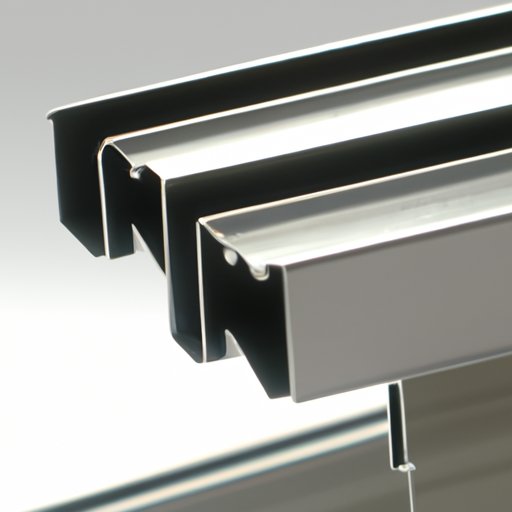
There are several different types of aluminum profiles for strip lights available. Here are some of the most common ones:
Recessed Profiles
Recessed profiles are designed to fit into a cavity in the wall or ceiling. They are ideal for creating a seamless look and hiding the LED strips from view. They are also easy to install and require minimal maintenance.
Surface Mount Profiles
Surface mount profiles are designed to be attached directly to the wall or ceiling. They are quick and easy to install, and they provide a neat, professional finish. They are also ideal for areas where recessed profiles are not possible.
Corner Profiles
Corner profiles are designed to fit around corners. They can be used to create interesting lighting effects and are perfect for adding a modern touch to any room. They are also easy to install and require minimal maintenance.
Common Applications of Aluminum Profiles for Strip Lights
Aluminum profiles for strip lights can be used in a variety of applications. Here are some of the most common ones:
Residential Use
Aluminum profiles for strip lights are often used in residential settings. They can be used to create ambient lighting in living rooms, bedrooms, kitchens, bathrooms, and other areas. They are also ideal for illuminating stairs, hallways, and outdoor areas.
Commercial Use
Aluminum profiles for strip lights can also be used in commercial settings. They are often used in offices, shops, restaurants, and other businesses. They can be used to create attractive lighting displays and provide functional illumination.
Industrial Use
Aluminum profiles for strip lights can also be used in industrial settings. They are often used to provide illumination in warehouses, factories, and other large buildings. They are also ideal for illuminated signs and other applications.
Tips for Choosing the Right Aluminum Profile for Strip Light
When choosing aluminum profiles for strip lights, there are several things to consider:
Size and Shape
The size and shape of the aluminum profile will depend on the area you are installing it in. Make sure you measure the area carefully before buying the profile so you get the right size and shape.
Quality and Durability
It is important to choose a high-quality, durable aluminum profile. Look for one that is made from a strong, lightweight material that is resistant to corrosion and rust.
Installation Requirements
Make sure you read the instructions carefully before installing the aluminum profile. Check the requirements for attaching the profile to the wall or ceiling, and make sure you have all the necessary tools and materials.
Aluminum Profiles for Strip Lights: A Comprehensive Guide
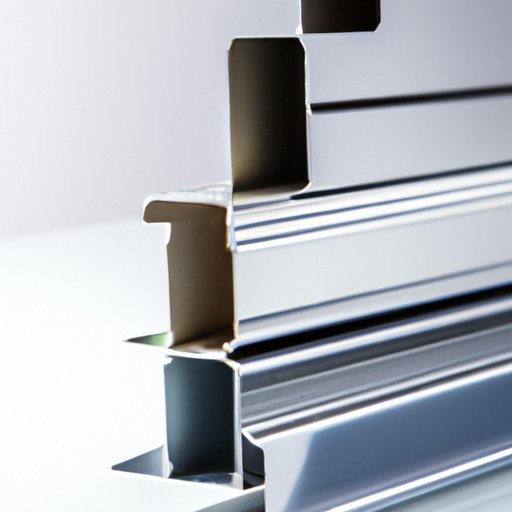
Aluminum profiles for strip lights can be a great addition to any lighting system. They provide increased durability, improved efficiency, and better heat dissipation. They can also be used in a variety of applications, from residential to industrial. Here is a comprehensive guide to aluminum profiles for strip lights:
Overview of Different Types of Profiles
There are several different types of aluminum profiles for strip lights, including recessed, surface mount, and corner profiles. Each type has its own advantages and disadvantages, so it is important to choose the right one for your needs.
Considerations when Choosing the Right Profile
When choosing an aluminum profile for strip lights, there are several factors to consider, such as size, shape, quality, and installation requirements. Make sure you take these into account before making your final decision.
Benefits and Advantages of Using Profiles
Using aluminum profiles for strip lights offers many benefits and advantages, including increased durability, improved efficiency, and better heat dissipation. They can also be used in a variety of applications, from residential to industrial.
Conclusion
Aluminum profiles for strip lights are an essential component of any lighting system. They provide increased durability, improved efficiency, and better heat dissipation. They can also be used in a variety of applications, from residential to industrial. When choosing an aluminum profile for strip lights, make sure you consider size, shape, quality, and installation requirements. By following this comprehensive guide, you can make sure you choose the right profile for your needs.

 电话:+86 756 851 6566
 邮箱:christine@hembo.cn
 地址:jiangmen city,guangdong province,china


电话:+86 756 851 6566
邮箱:christine@hembo.cn
地址:jiangmen city,guangdong province,china
